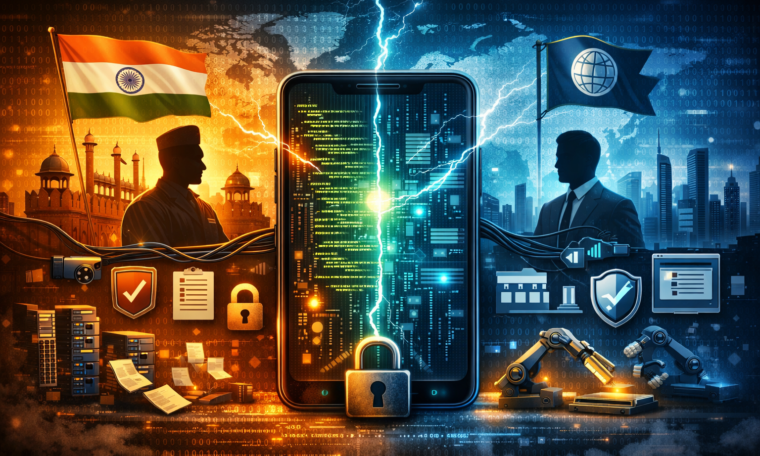
India smartphone source code When we talk about smartphones, most of us think about apps, messages, photos, and maybe the occasional game. But there’s something much deeper at play—something that decides how your phone behaves from the moment you press the power button. That “something” is the source code. Think of it as the DNA of your device—a complex set of instructions that engineers write to make your phone tick. Accessing source code isn’t like peeking into your selfies or chats; it’s like looking under the hood of a car while it’s in motion. And right now, India is in a tense standoff with global smartphone makers over just that. India smartphone source code
What India Wants (And Why It’s Controversial)
The Indian government insists it isn’t after your personal data. So why the fuss over source code? Simply put, it’s about control. By getting a glimpse of—or in some proposals, a hand in—the inner workings of devices, the state could supervise how technology behaves at its most fundamental level. Reuters reports that India is mulling mobile security standards that may require manufacturers to:
-
Store device logs for up to a year
-
Notify authorities before major software updates
-
Submit updates for government testing
-
Potentially share parts of the source code
The government says these are only consultations and denies actively seeking source code access. Yet leaked documents suggest otherwise. So this isn’t just a procedural tiff—it’s a philosophical battle over who controls the devices we rely on every day.
Source Code: The Heartbeat of Your Phone
India smartphone source code Let’s break it down simply. Your messages, photos, and contacts are just the surface. Source code is the engine behind the curtain. It’s the instruction manual that tells your phone how to behave—how apps interact, how updates install, even how security features function. Access to it gives unprecedented insight into the inner logic of your device. Imagine letting someone peek into the engine of a car you drive every day. That’s essentially what this standoff is about.
Why the Government Concern Isn’t Totally Irrational
India has close to 750 million smartphones in circulation. These aren’t just gadgets—they’re wallets, IDs, offices, and social megaphones all rolled into one. With rising cybercrime and fraud, the government has a legitimate interest in ensuring devices aren’t easy targets. A hands-off approach could rightly be seen as negligence. But here’s the kicker: the danger isn’t the objective; it’s the method.
The Risks of Slowing Down Digital Security
Modern cybersecurity is a race against time. Vulnerabilities pop up constantly, and patches need to be deployed fast. Any system that slows updates—no matter how well-intentioned—can widen the window for attacks. Even a delay of hours can matter when hackers exploit zero-day vulnerabilities.
Sujit Janardanan, CMO of Neysa Networks, points out that India struggles with internet accessibility and affordability. Technologies like 5G promised innovation in agriculture, education, and rural connectivity, but real-world access has lagged. Against this backdrop, Janardanan questions regulations introduced without clear explanations of the risks they’re addressing. Broad appeals to “user privacy” don’t cut it. If the rules don’t solve a clearly defined problem, they risk undermining trust and adoption.
Trust vs. Control: Different Perspectives
Where Janardanan sees the issue as one of trust, Apar Gupta, founder of the Internet Freedom Foundation (IFF), sees structural concerns. Gupta isn’t just worried about access to source code; he’s concerned about how it could combine with requirements like pre-approval of updates, long-term device logging, and restrictions on OS modifications.
The result? Surveillance shifts from targeted and case-specific to a baked-in capability. And once that control exists at scale, the balance of power tilts dramatically toward the state.
Constitutional and Legal Concerns
India Supreme Court has consistently ruled that intrusions into privacy must meet three standards: legality, necessity, and proportionality. But measures that affect every device, embedded by default, with weak independent oversight, struggle to meet these benchmarks. In other words, the law may not yet fully justify sweeping source code access combined with long-term behavioral logging.
How Other Democracies Handle Device Security
Contrast India with other democracies. Most nations improve handset security through standards, audits, and vulnerability disclosure—not by granting the government the ability to pre-clear updates or mandate long-term logs. The key difference? Speed, resilience, and accountability rather than centralized control.
The Real Dangers of Source Code Access
Gupta warns that the worst risk isn’t the government reading the code—it’s what could follow. Access could become a lever to:
-
Impose weakening changes to software
-
Delay critical security patches
-
Enforce compliance that reduces real security while expanding state control
India has already seen the destructive potential of vulnerabilities with spyware allegations and zero-click attacks. When vulnerabilities are weaponized, even well-intentioned access can backfire.
The Ripple Effects: Trust, Self-Censorship, and Cybersecurity
Long-term behavioral logs could chill online behavior. People might self-censor. Delayed updates compromise cybersecurity. Anti-rollback and anti-modification policies strip users of control, locking them into state- or vendor-approved software.
When trust erodes, people don’t protest loudly. They retreat—quietly, rationally, and en masse. And that’s a bigger risk than any cyberattack.
Speed, Resilience, or Control? The Crucial Choice
India faces a choice: build security on speed and resilience, or on control and pre-clearance. This decision isn’t just about phones—it will shape software design, user trust, and the exercise of power in the digital economy. Once a device is built for control, it’s almost impossible to undo. Freedom, once compromised at the architecture level, rarely returns easily.
Why the Debate is Bigger Than Smartphones
This standoff is a microcosm of a larger debate. Are digital tools meant to empower individuals, or consolidate authority in the hands of the state? The phone is just the first battlefield. Similar tensions will emerge in IoT devices, smart homes, and critical infrastructure. India’s decision now will ripple through the entire tech ecosystem for decades.
The Human Factor: Adoption and Innovation at Stake
No government policy exists in a vacuum. If users feel constrained, adoption slows. Developers face higher compliance costs. Innovation is stifled. The digital economy depends on trust—without it, even the most advanced systems fail to deliver promised benefits.
Conclusion
India smartphone source code isn’t merely technical; it’s philosophical, legal, and ethical. India must secure its digital infrastructure—but the method matters. The balance must favor speed, resilience, and transparency over bureaucratic oversight and control. Otherwise, the country risks not just weaker cybersecurity, but diminished trust, stifled innovation, and a generation of devices designed more for control than for freedom.
In the end, the source code debate is a mirror reflecting how India views technology, privacy, and governance. Users, developers, and regulators must ask themselves: Do we want a digital landscape that empowers individuals, or one that locks them into predetermined choices? Once decisions are baked into the software itself, the answer isn’t easily reversed.